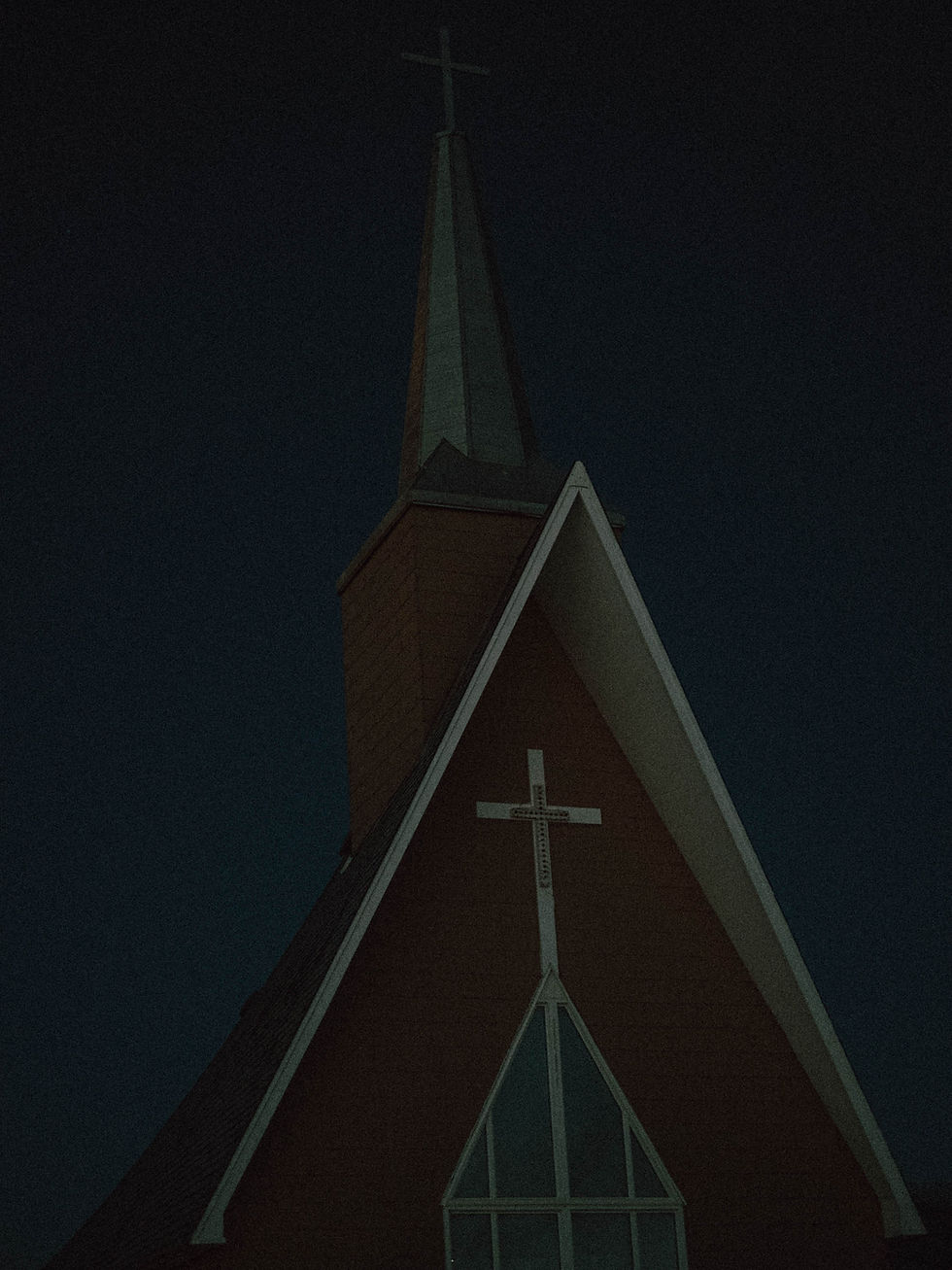
Ghedeist
How has Canada been inhabited throughout its history?
This is what Camille Charpigny and Valentin Astier want to convey with Ghedeist. A word coined by Glenn Albrecht to express our new ways of thinking about our relationship to the world. This word evokes the awareness of a force that holds all living beings together; a feeling of profound symbiotic interdependence between oneself and other living beings, and their coming together to live in shared spaces on Earth.
Their approach seeks to reveal the links between territories, memories and the human experiences that are inscribed there, by creating a dialogue between images and narratives.
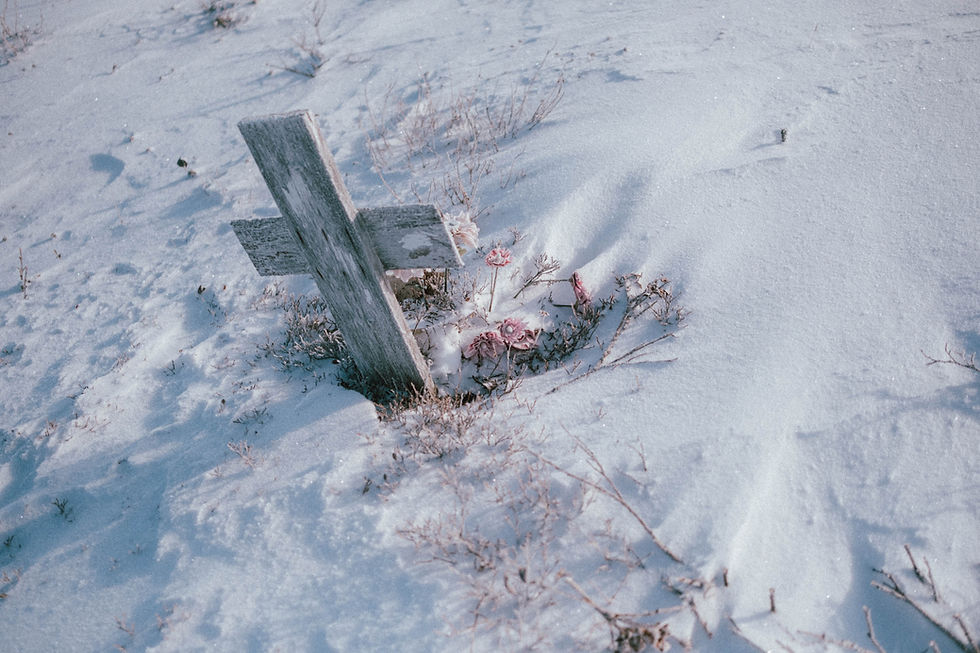
Through a three-month journey across Canada from east to west, a reflection emerges on the occupation of space, on how humans inhabit these vast territories. Each image in this series is a stanza of a visual poem celebrating the raw beauty of Canada while questioning our relationship to these spaces, caught between the desire for conquest and the necessary humility in the face of immensity.
This photographic series reminds us that the Canadian territory is a complex space where stories overlap: that of the Indigenous peoples who have inhabited these lands for millennia, that of successive waves of colonization, that of assimilation, that of its radical transformation with the arrival of the train, then the car, and all these silent witnesses of unfinished human stories.

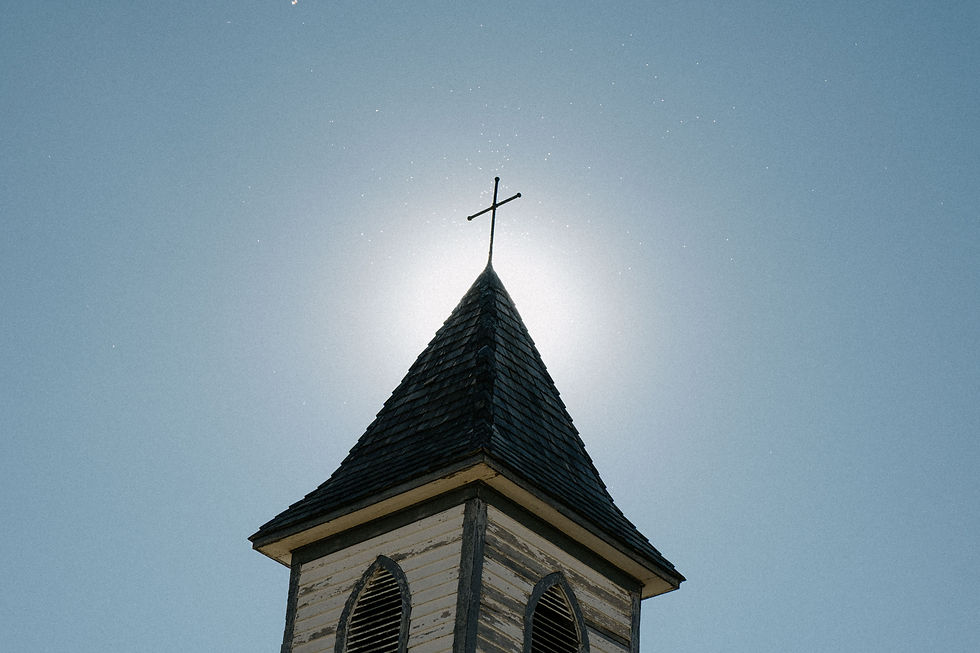
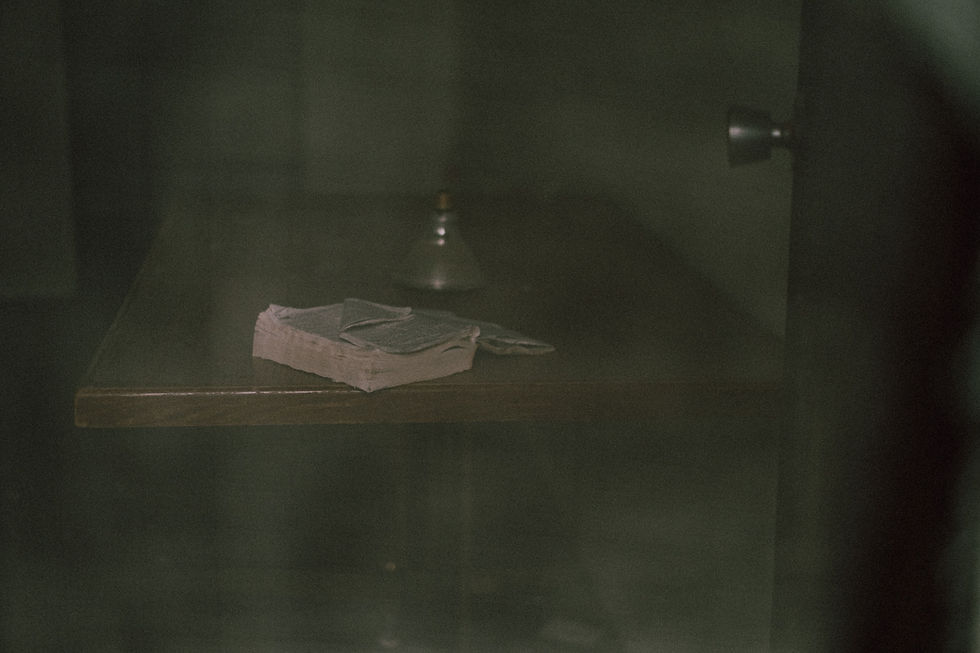
Inside there is a photo of the 12 families in front of the church almost a century ago, and a poem.
"When everything is finished and in the oozing clay,
You drop off my abandoned phone case,
Do not pray for me, for after a long despair,
The calm of the grave will be a prayer."
These words resonated as if the boards of
The wood, the windows, the chairs and the organ had written it.


But has this place always been so peaceful?
Have the beliefs of the First Nations been hindered here as well?

Parkbeg cafe. Trans-Canada Highway. End of summer.
Do we have to cross all of Canada to get back to Quebec?


Everything appears deserted, the bursts of golden light like a break in the horizon.
We could observe these abandoned places and objects until we get sick of them, thinking that by photographing them enough, they would tell us everything.


It's almost noon, the tall grass is whipping our legs.
Surrounded by time standing still, we are alone, and yet...
Without hearing any sound other than that of the birds escaping.


Thoreau wrote that the savage was the preservation of the world.


Paddon has just died and Paula is searching for meaning in her life, in her legacy.
I read "Plainsong" as an echo of the outside world.

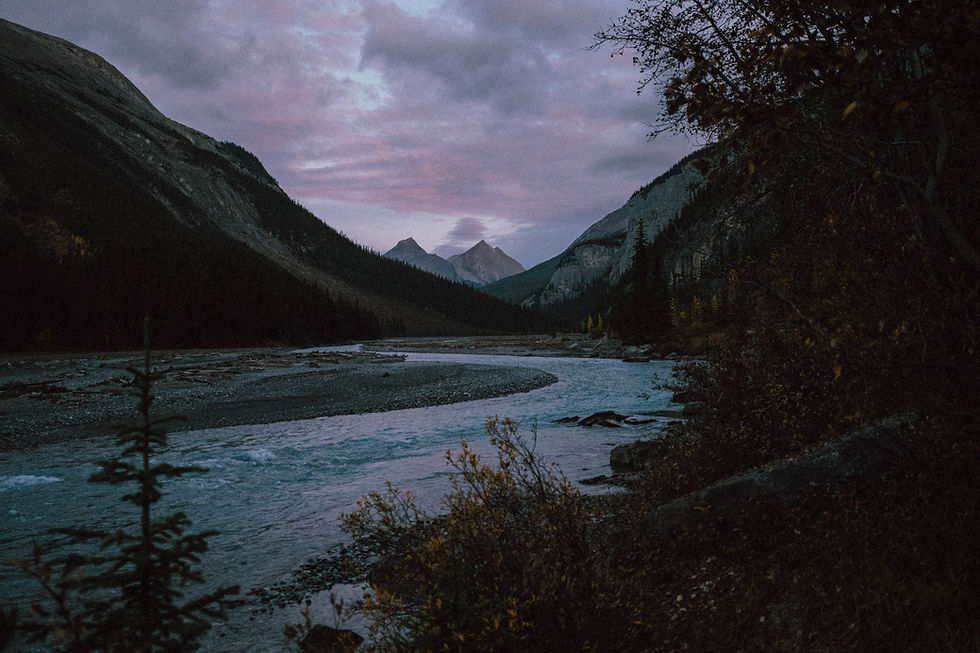


There's only one road, Route 20, for 5 hours, no detours possible. We're heading towards the edge of the world, beyond which lies the emptiness of an ocean stretching as far as the eye can see.
The spirits are here, in the forests that surround us. I'm sure of it, I've felt them. Much more than anywhere else. In fact, it's the first time I've ever felt them.
They're definitely here.


In Bella Coola, a green, rainy, and cool evening. A kind of magic keeps us awake, and we stay up late. We slept next to the reserve.
At night I had nightmares; we were dying here, and we couldn't leave this city. The road back was endless, and every day we set off again, forgetting that we had tried it the day before.
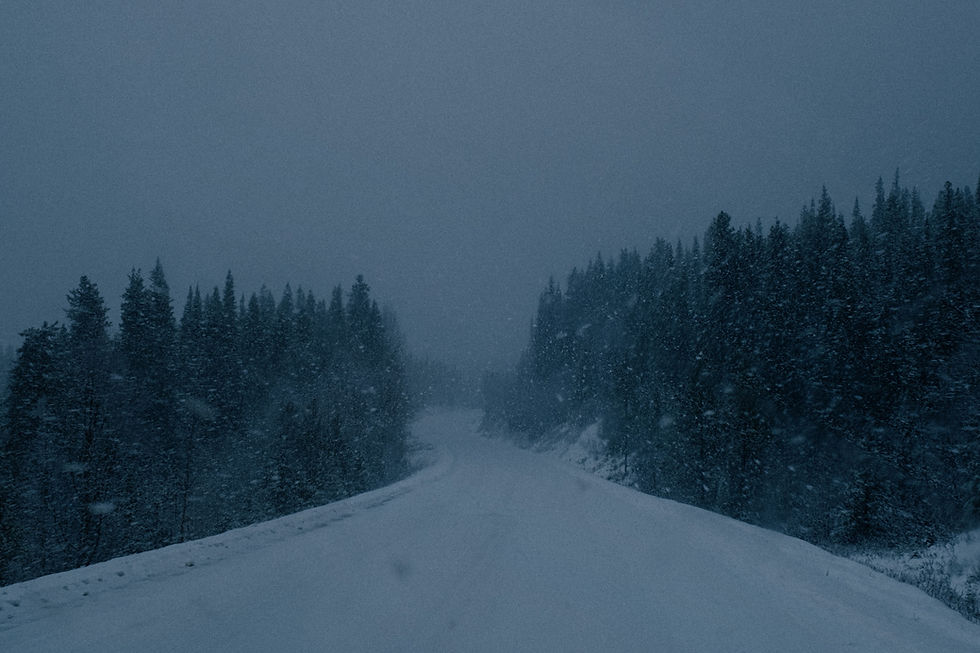
The snow is sticking to the bumper. In our search for North, we've gotten lost somewhere else.
We no longer know where, but a scene has appeared, as if after closing our eyes.
In a semi-sleep state, searching for the origin.


We were able to wash at a station, we're clean, our hair
Fresh, but drained. We set off, the road is long.
We drive north, without stopping.


With hands firmly planted on the steering wheel, the vibrations lull the car to the rhythm of the road. Always straight ahead, the asphalt unfolds. It projects onto the retina like a brushstroke.
The trees, also blurry, pass by.
Where does this journey lead? Why take pictures?
A journey without a device, a journey without memory.
The journey is fiction.