
L'odeur du jasmin

Of my grandparents, I only knew my maternal grandmother, Amalia. I was five years old when she died. A heart attack in my parents' kitchen, harsh light, late at night. I only have a few images of her, unrelated to each other, without knowing when they were taken.
In 2025, I returned to Muris, in Friuli, the village she had left. Amalia had crossed the Alps in winter, wearing hand-sewn felt slippers, to escape famine and cross the border. It was there that, as a child, I returned every summer, first with her, then without her. This time, I went back with my mother, to search for what remained of my story—and to try to get closer to her.
When I arrived, there was a scent of jasmine. And with it, everything I thought was lost returned. Not as a memory, more like a sensation—but a sensation that takes root, deeply.
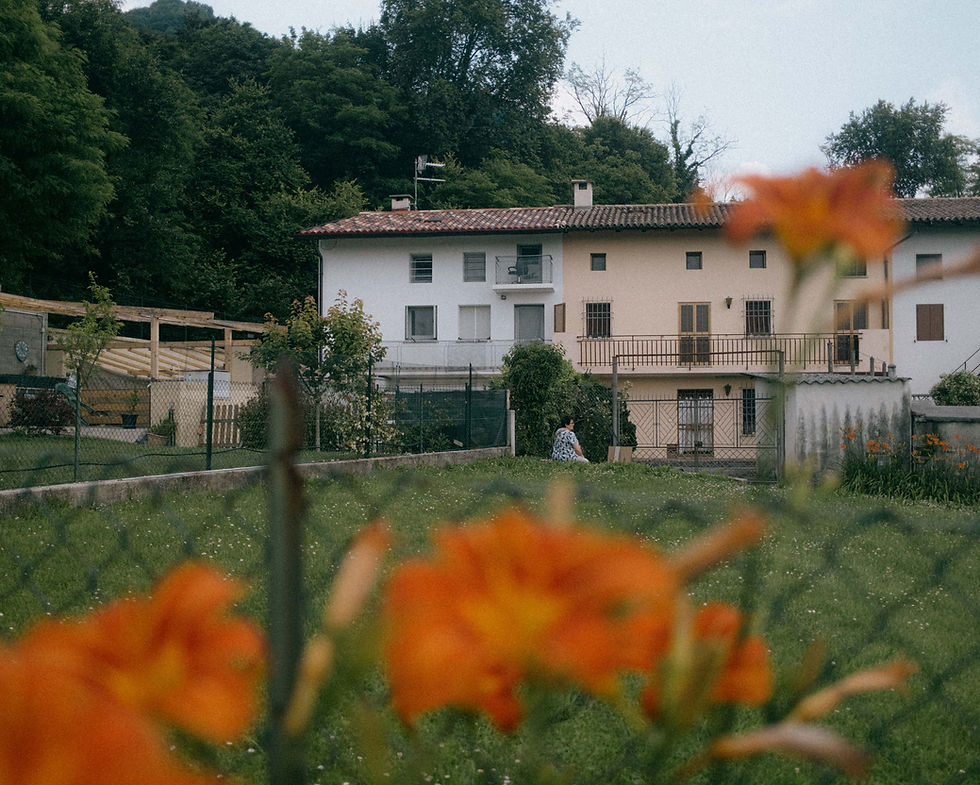
The Tagliamento, that wild river, stretched as far as the eye could see; it was our space of freedom where childhood reigned supreme. Then the storm would roll in without warning, and we had to go back, to the dark house with its thick walls—melancholy and reassuring at the same time. That house was the center of everything. An old pre-war home, rebuilt after the earthquake, full of treasures. As long as we had it, we would come back. Losing it would mean severing what still connected me to my grandmother.
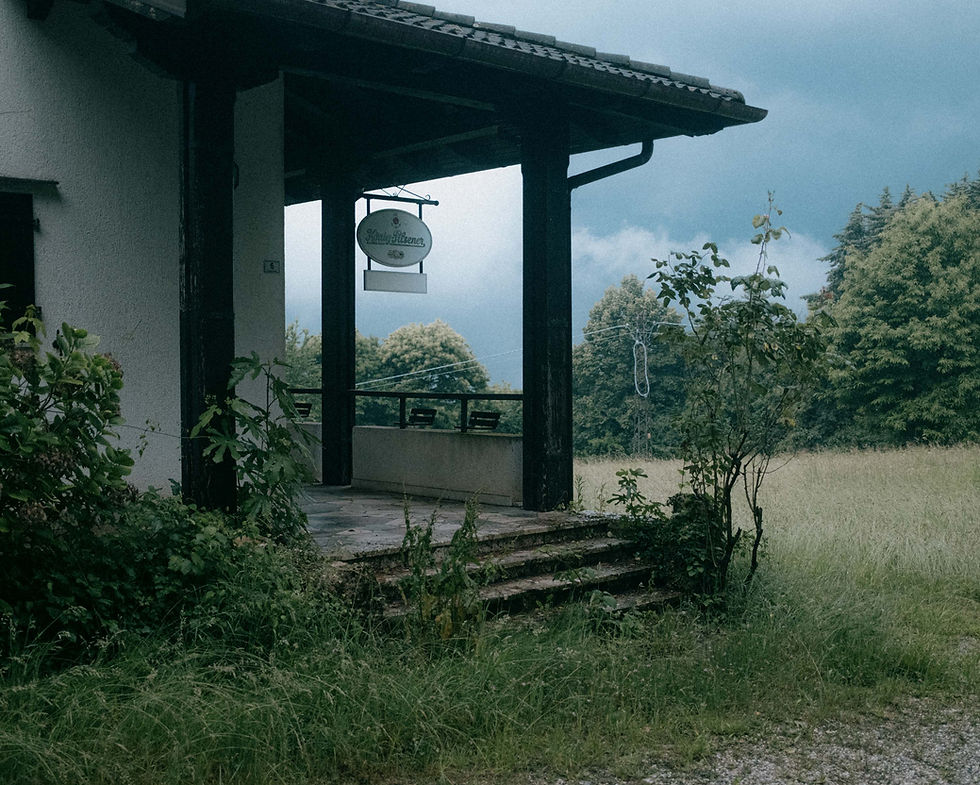
The village mirrors my own quest. The population has aged, many have died, the young have left. The bar, the grocery store, the market: everything has closed, slowly. Muris is frozen, almost abandoned, left to time. Our landmarks exist only in our memories—and mine, failing, exists only in my mother's.
To return was to remember and to feel.
But also, perhaps, to turn the page.


to Amalia

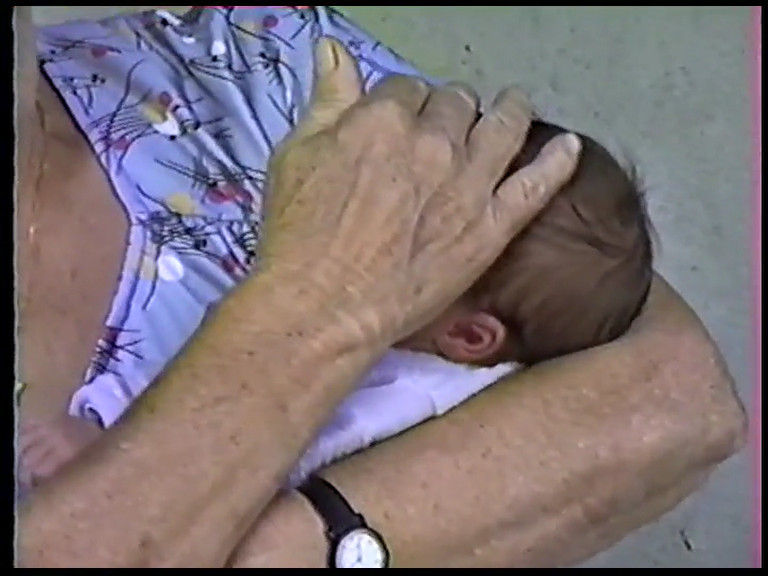


Muris, Friuli


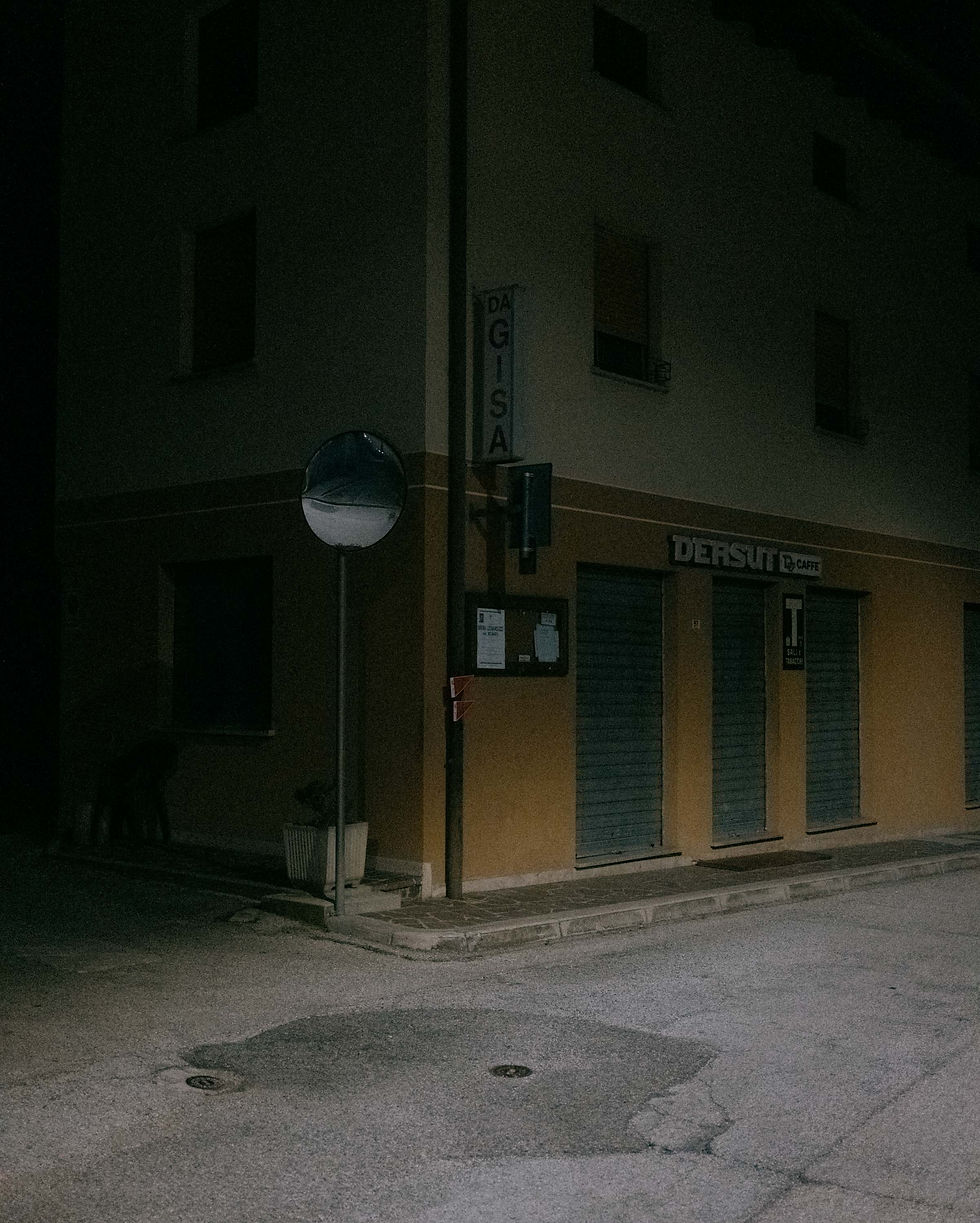



Via Leopardi, 14
“Sulla strada dove non vuoi camminare,
non dimenticare che dovrai correre.”
Amalia Candusso